



Norbertine Way of Life
The Norbertine Order
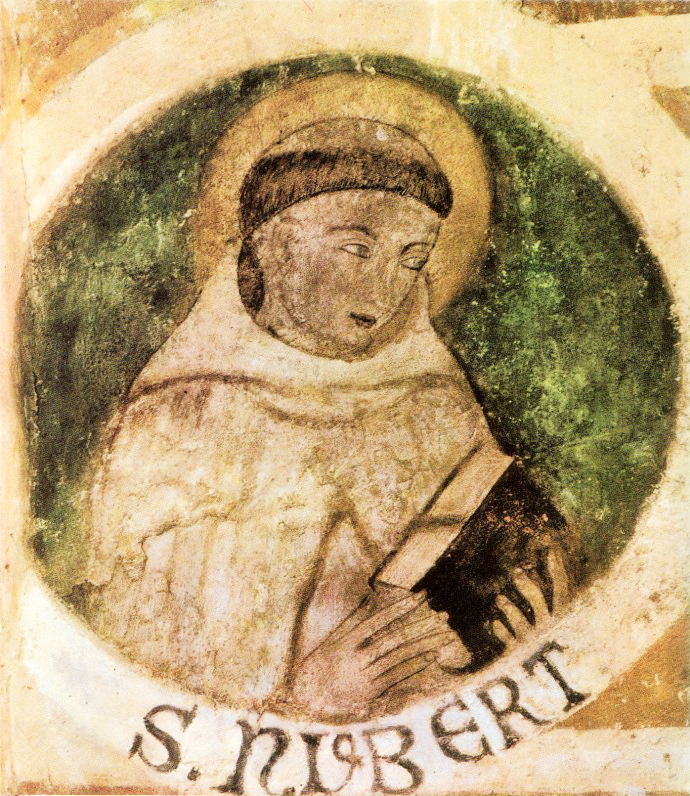
Founded by St. Norbert in 1121 in the valley of Prémontré, France, the Norbertine Order (officially known as the Order of Prémontré), today continues a 900-year-old tradition of divine worship on six continents. Norbertines, also known as Premonstratensians, are canons and canonesses regular, religious under solemn vows who follow the Rule of St. Augustine and are dedicated to the solemn and reverential celebration of the Sacred Liturgy.
The Norbertine Propositum
Following the Sacred Scriptures and having Christ as Guide...
Following his remarkable encounter with God’s mercy on the road to Vreden, St. Norbert immediately converted from a life of worldly ambition to a life spent seeking only God’s will. It became his firm resolve and life’s goal (propositum) to “follow the Sacred Scriptures and have Christ as Leader.”
“Putting on the new man,” St. Norbert sought ordination to the priesthood and at the same time took up the habit and way of life of a religious. Together with other canons and clerics who joined him, he sought to live the priestly life in imitation of Christ and his apostles who were poor, chaste, obedient and lived a common life.
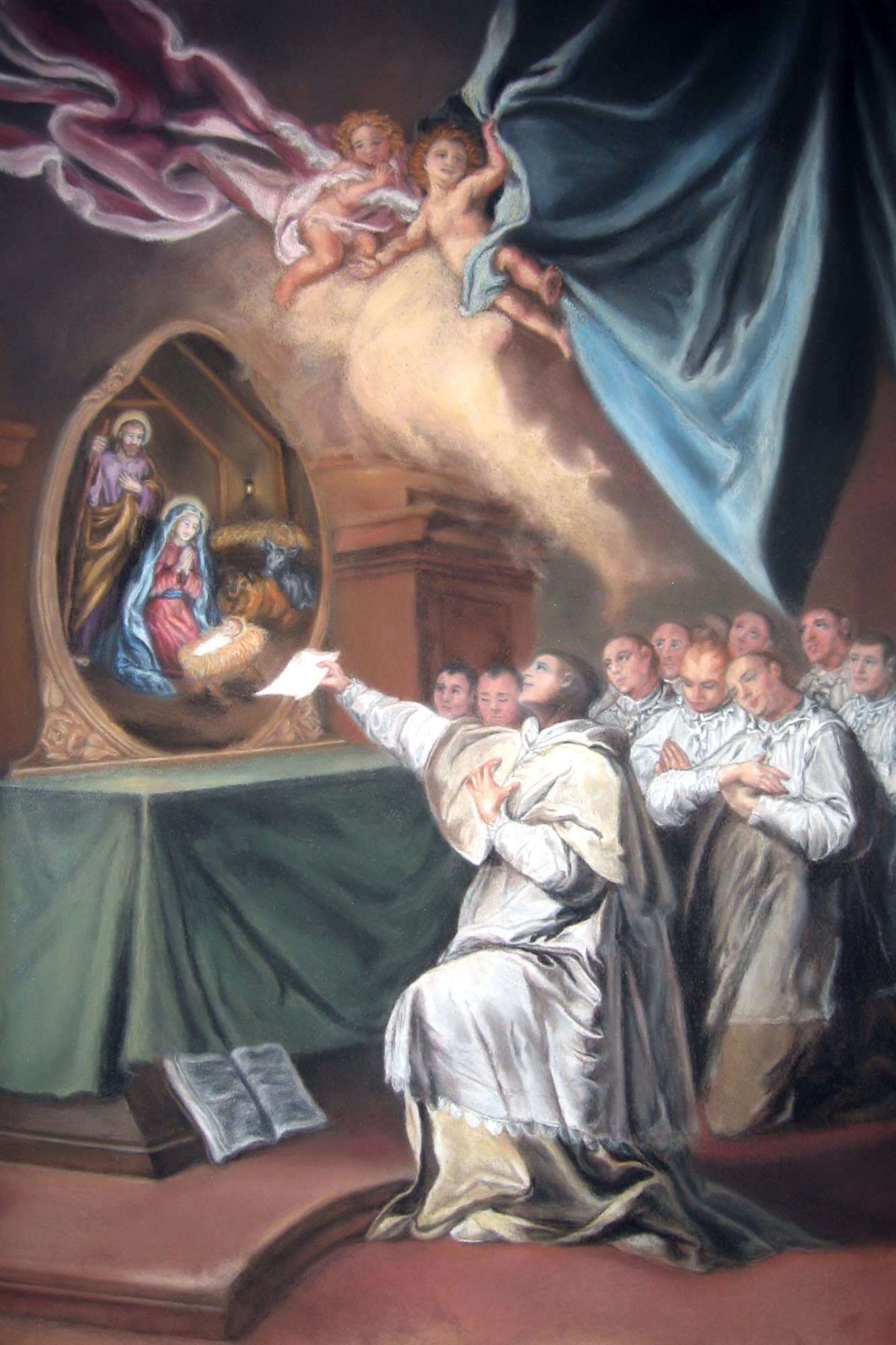
On Christmas Day in 1121, St. Norbert and his first companions vowed a life of daily conversion and communion according to the Rule of St. Augustine, who had translated the life of the apostolic Church into a way of life for religious communities. From the very beginning, like the first Christians gathered around the Apostles, multitudes of lay men and women were also received into the community at Prémontré, desiring to embrace a life centered around the Church’s liturgical prayers and shaped by the monastic rhythms of life and work in common.

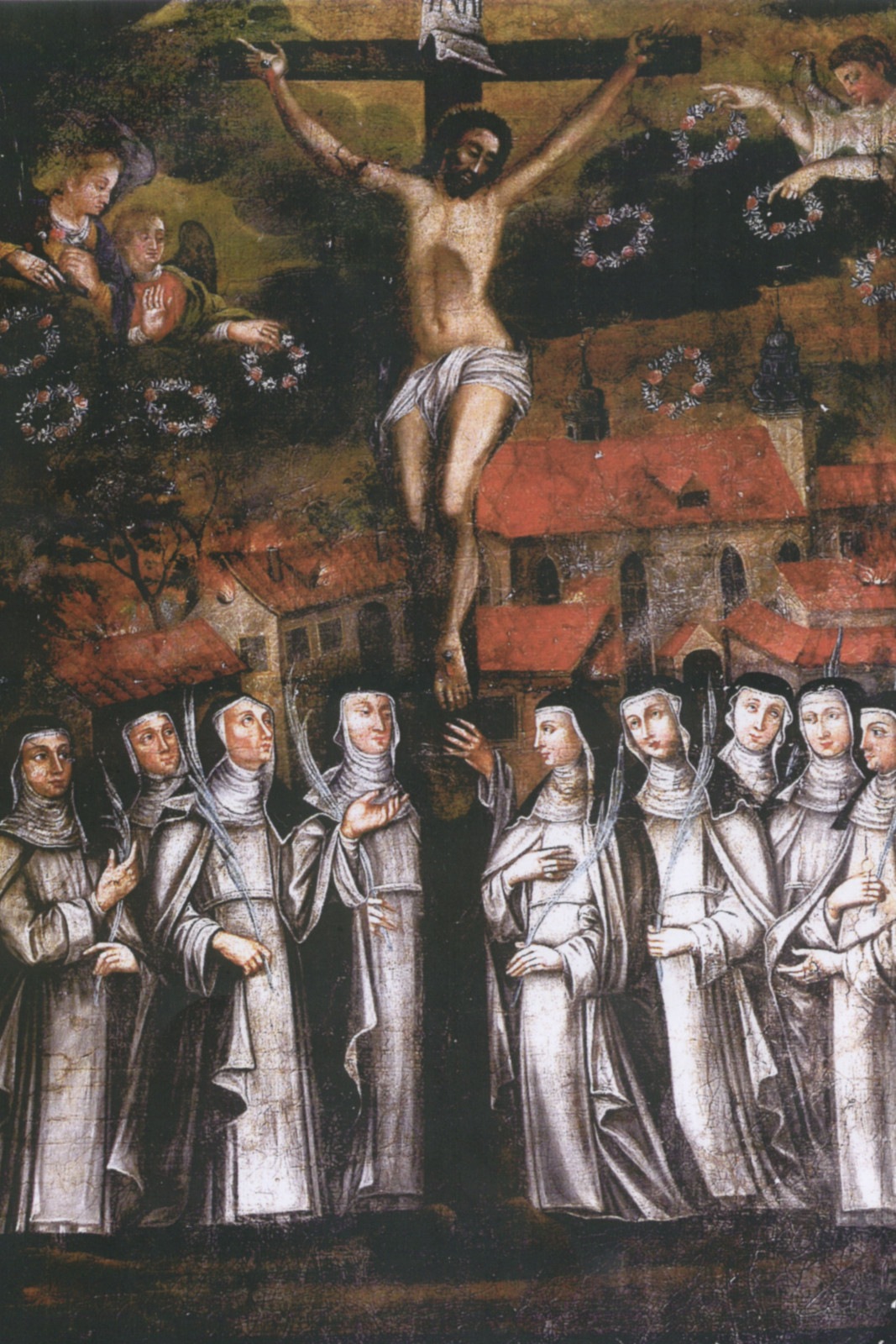
If therefore Norbert had done nothing else, apart from the conversion of the men, but attract so many women to God's service by his exhortation, would he not have been worthy of the greatest praise?... I don’t know what others think, but what many claim seems true to me. There has been no one since the time of the Apostles who in such a brief space of time has acquired for Christ so many imitators of the perfect life through his institute.– Herman of Tournai, De Miraculis, 7
Vita Apostolica
Those who believed were of one heart and soul . . . Acts 4:32
In the Acts of the Apostles we see the Church at her beginnings, with the Apostles and disciples devoting themselves to prayer together with Mary, the Mother of Jesus, and the holy women. The life of the Apostles together with the first community of believers after our Lord’s Ascension remains the model and inspiration for renewal in the Church in every age.
The Vita Apostolica is “to have one heart and one mind on the way to God; to hold all things in common; to persevere in the teaching of the Apostles; to have the Eucharist as the center of all life; to give witness to the resurrection of Jesus Christ our Lord; and to persevere together in prayer with Mary, the mother of Jesus and the brethren.”– Constitutions, 2
As they prayerfully read and pondered on the Sacred Scriptures, St. Norbert and his followers were captivated by this example and ideal, just as it had captivated St. Augustine centuries before. The Vita Apostolica remains for Norbertines today “the highest ideal that distinguishes our entire life, and it is the way of life by which we seek to live in communion with God” (Constitutions, 2).
Norbertine Canonesses
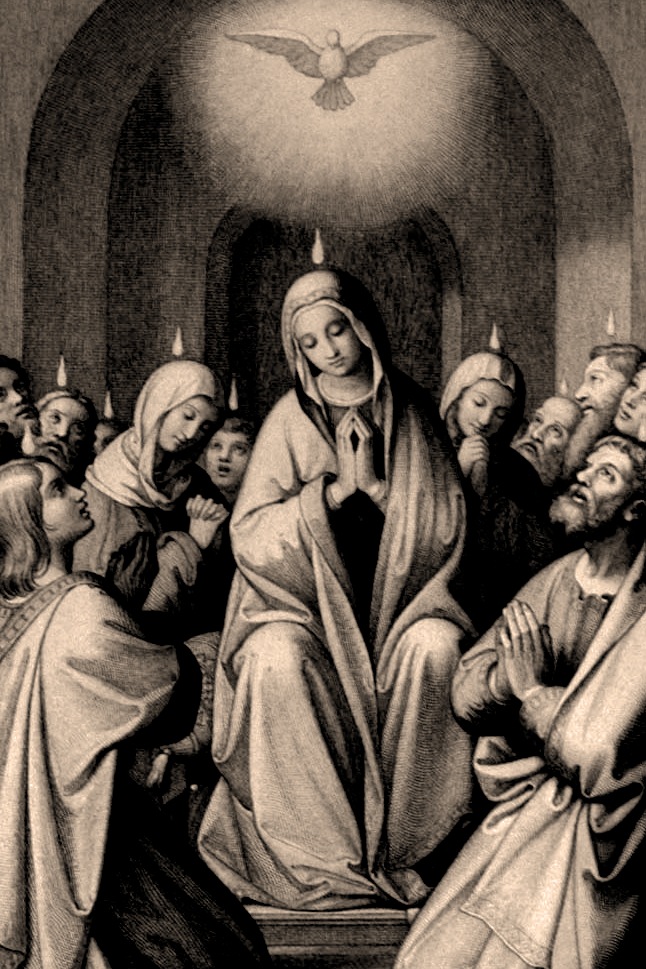
Together with Our Lady in the Upper Room
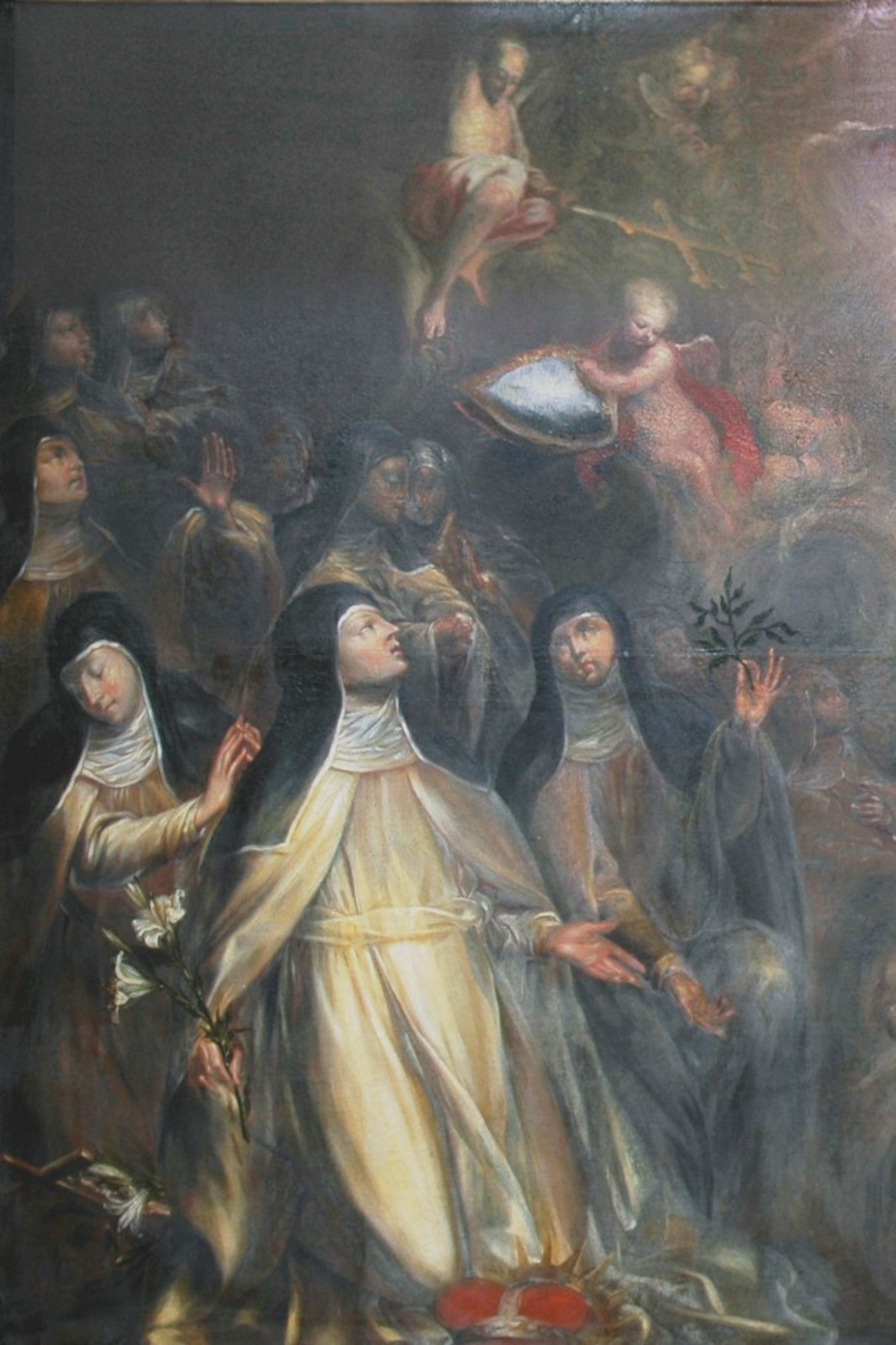
In time, the women of the Order came to have their own monasteries apart from the priests and brothers, becoming the Norbertine canonesses regular. Like the canons, they are devoted to the solemn celebration of the Church’s Sacred Liturgy and to living the Vita Apostolica monastically.
Norbertine Canonesses especially fulfill the contemplative dimension of the Norbertine vocation, devoting themselves to prayer together with Mary, the Mother of Jesus, and the holy women. They have as their model the Blessed Virgin Mary, in the hidden heart of the Church, praying in the upper room for the gift of Holy Spirit to renew the whole world.
In the Communion of the Church
That they may be one as we are one… John 17:21
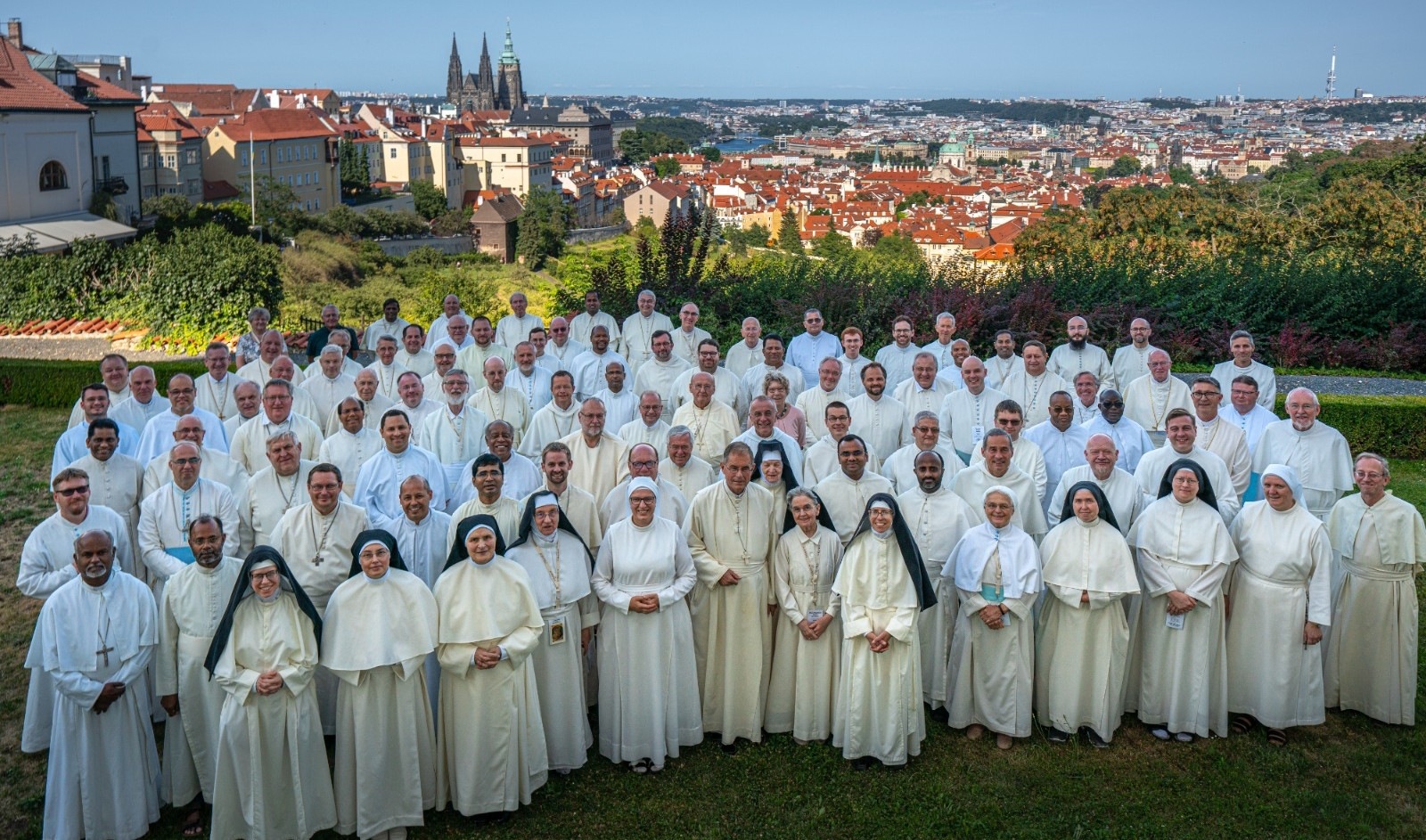 Photo Courtesy of the Archive of Strahov Abbey
“The apostolic life, as proposed and lived by St. Norbert and St. Augustine, leads those who seek to live such a life to the communion of the Church.”– Constitutions, 5
Modeled on the life of the early Christian community, and centered on the celebration of the Sacred Liturgy, the source and summit of the Church's activity, Norbertine life is intimately founded in the life and mystery of the Church herself. For this reason, the charism and spiritual patrimony of our Norbertine Order is realized in an ecclesial communio, the union of love brought about by Jesus Christ in the Holy Spirit that constitutes the Mystical Body of Christ, the Church.
The bond of charity that unites us to God and to one another in God is at the heart of our Norbertine communities. Fostering this ecclesial communio both within and outside our churches is also our Order's primary apostolic mission. We are taught by our holy father St. Augustine that “the unity of our communities should overflow into a charity which embraces all” (City of God, 10).
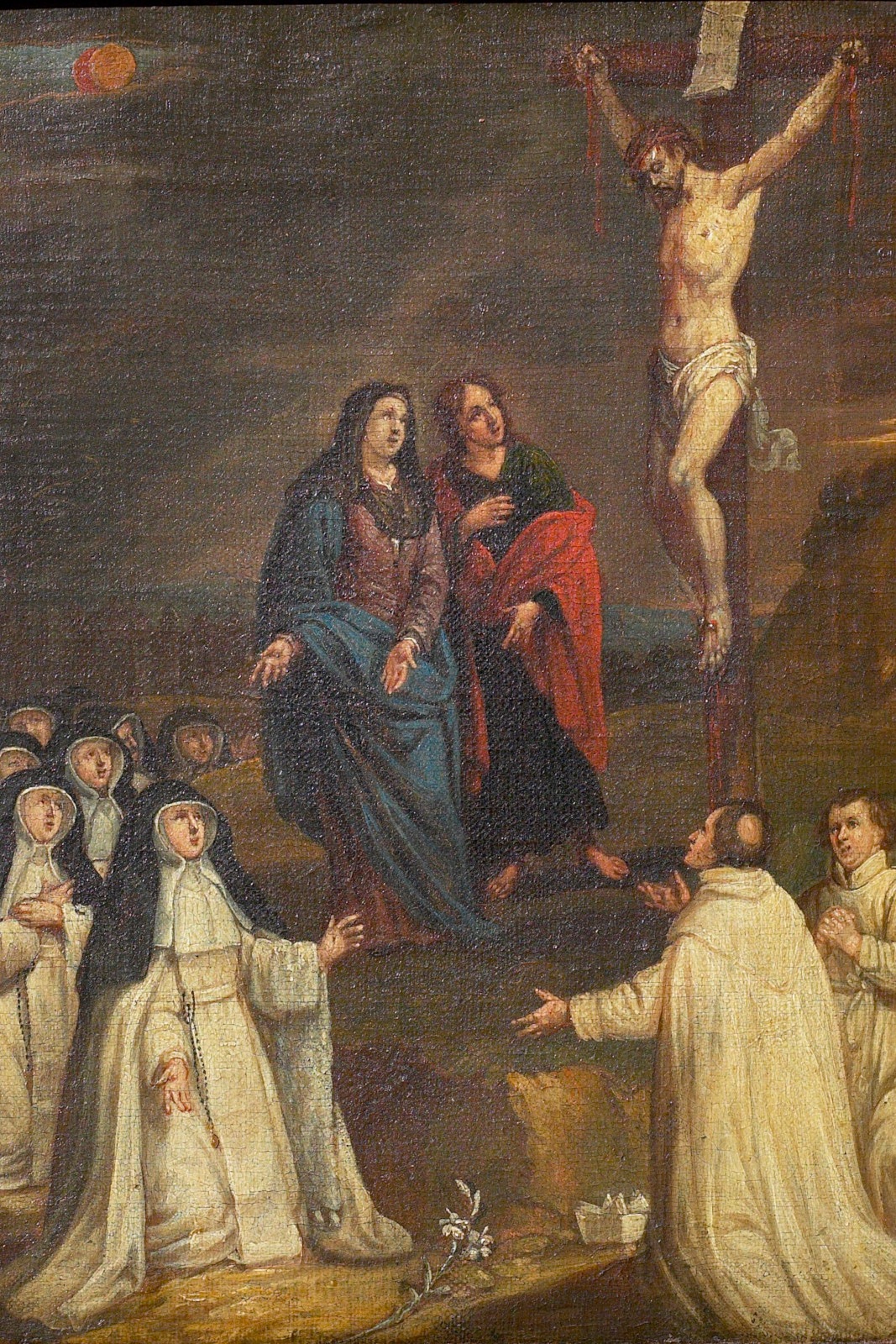
“Salvation is not just liberation from sin, but also a participation in Trinitarian life and fraternal communion among all in Christ. Our Premonstratensian vocation, centered on a life of conversion and communion, is a way of hastening the coming of the Kingdom and a witness to it already in this world still marked by sin and death but marked also by the love of Christ, which wipes away all divisions.”– Constitutions, 7