

History of Our Priory
The Beginnings:
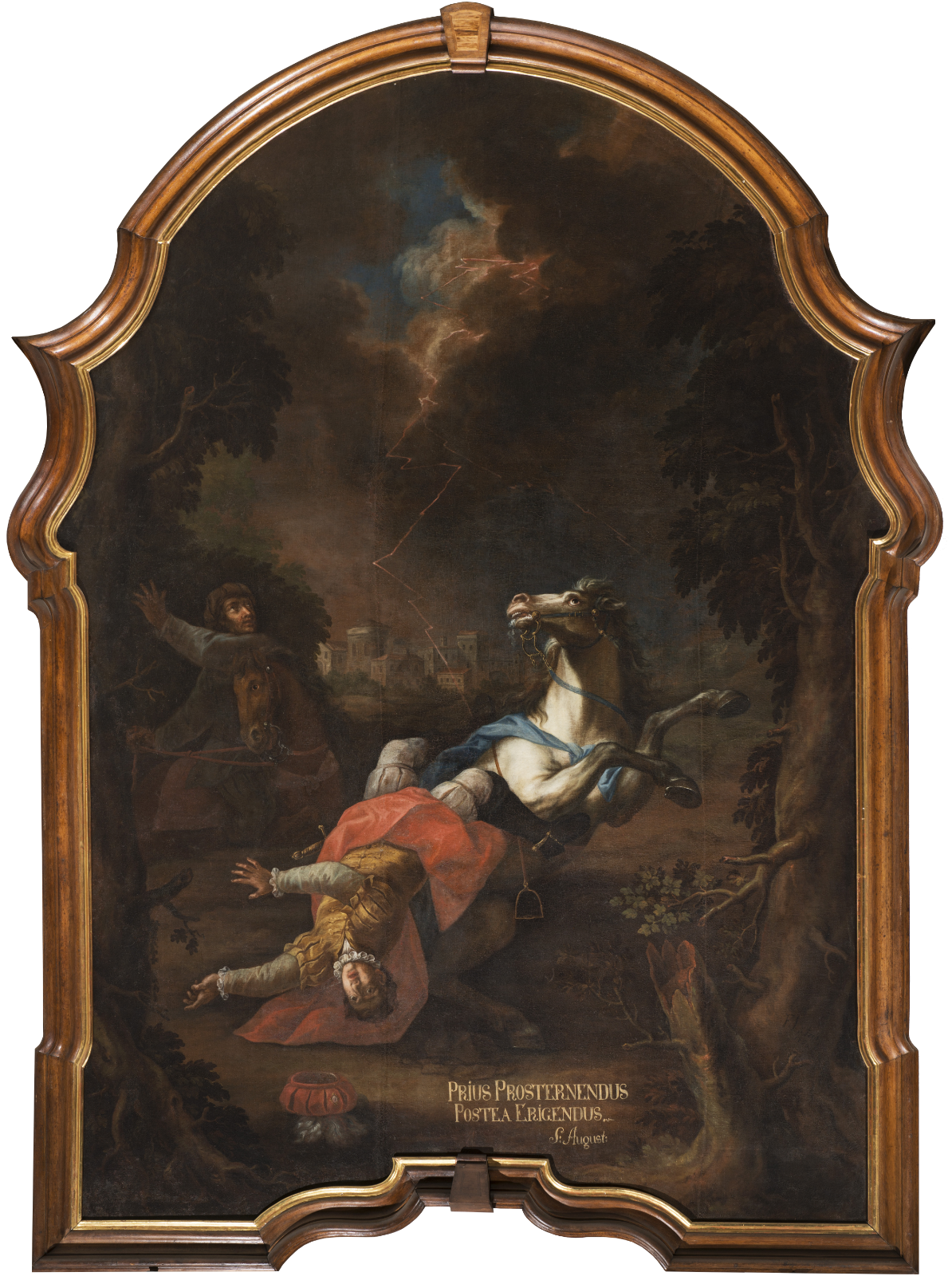
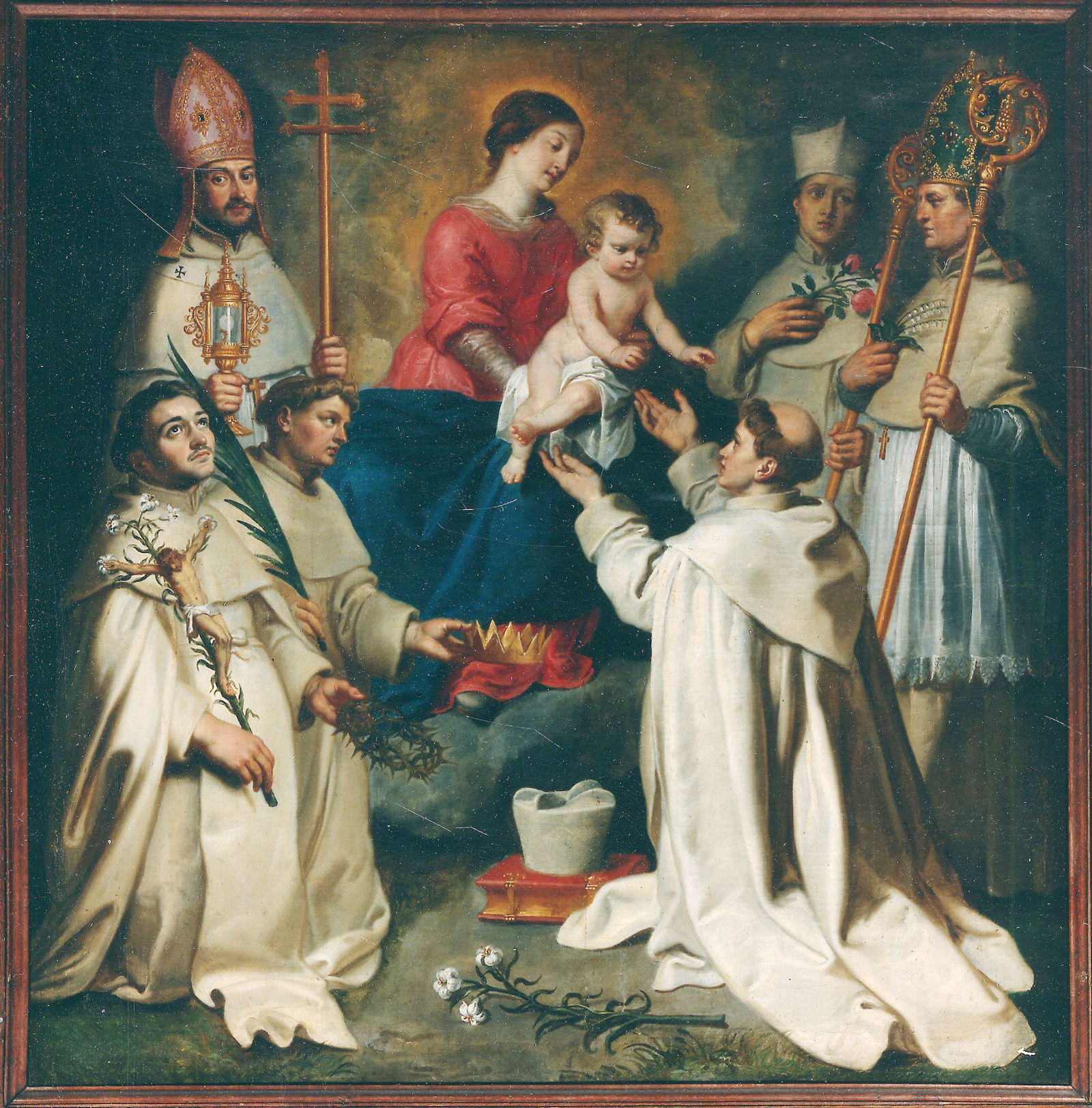
In the spring of 1115, the merciful hand of God cast Norbert down from his horse during a thunderstorm and ignited the fire of divine love in his heart. It was the time of the Gregorian Reform, and many clerics, Norbert of Xanten among them, were using their ecclesiastical offices to pursue riches, power, and pleasure rather than to imitate Christ and devote themselves to the salvation of souls. But from that day, Norbert was completely converted to God, and henceforth placed himself firmly on the side of the reformers at the service of Christ and His Church. As his ancient Vita puts it, St. Norbert returned by the same way he had come, “reflecting on the Lord's mercies, that He is good, that His mercy is forever.” In the months following his conversion, he prepared himself with prayer, penance and study for ordination to the priesthood and the new life he was about to undertake, and soon afterward gave himself over wholly to the evangelical and apostolic way of life.
The Mother Abbey of Prémontré:
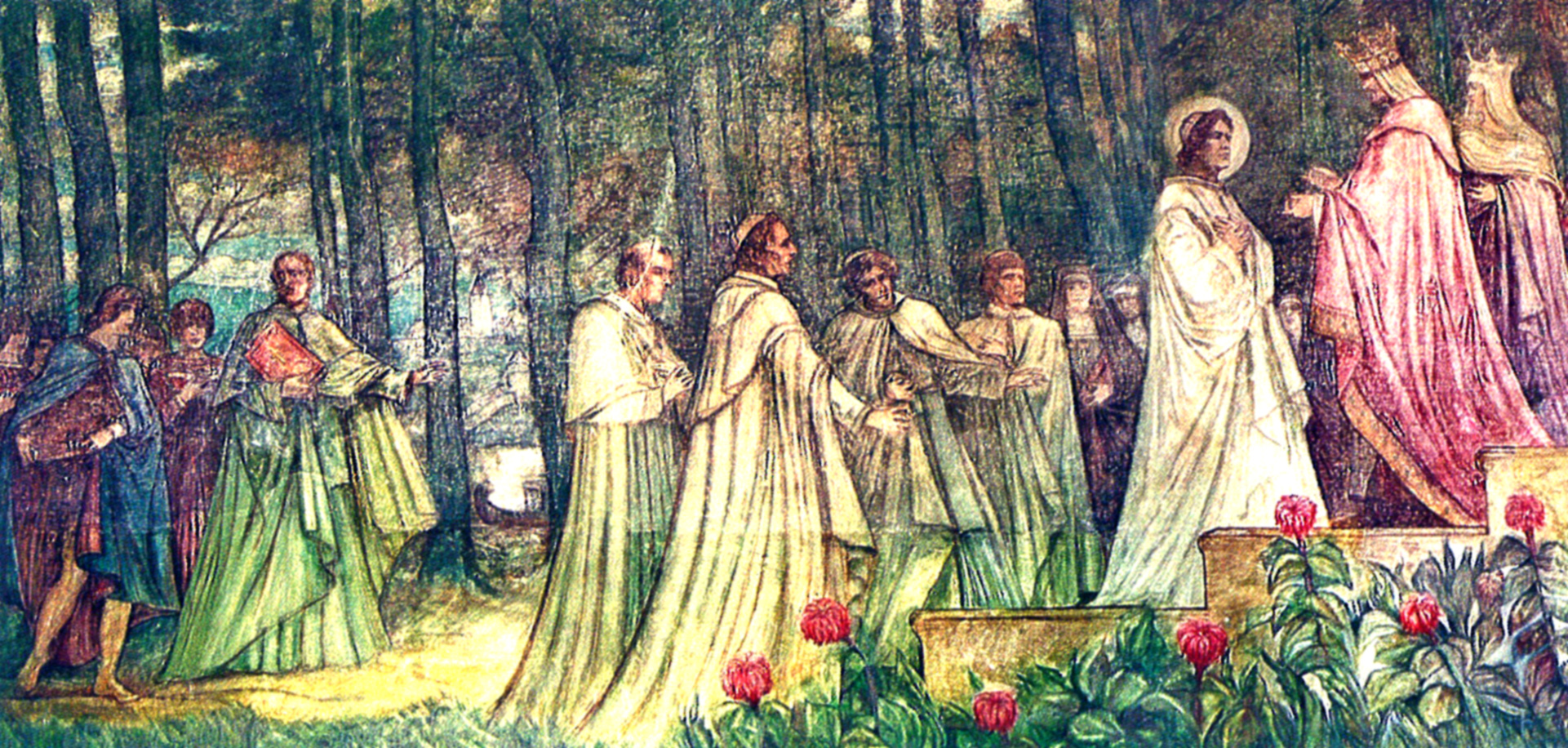
Drawn by his example of authentic holiness and desiring with him to imitate Christ and the early Christians, a host of followers soon gathered around Norbert — fellow clerics, lay men, and women. They settled in the solitary cross-shaped valley of Prémontré, France, where they devoted themselves to the celebration of the Sacred Liturgy and a life of monastic asceticism under the Rule of St. Augustine. On Christmas Day 1121, Norbert and his first disciples made their canonical profession, offering and dedicating themselves to the Church of the Blessed Virgin Mary and St. John the Baptist of Prémontré. Thus the Norbertine Order was born.
Expansion to Hungary:
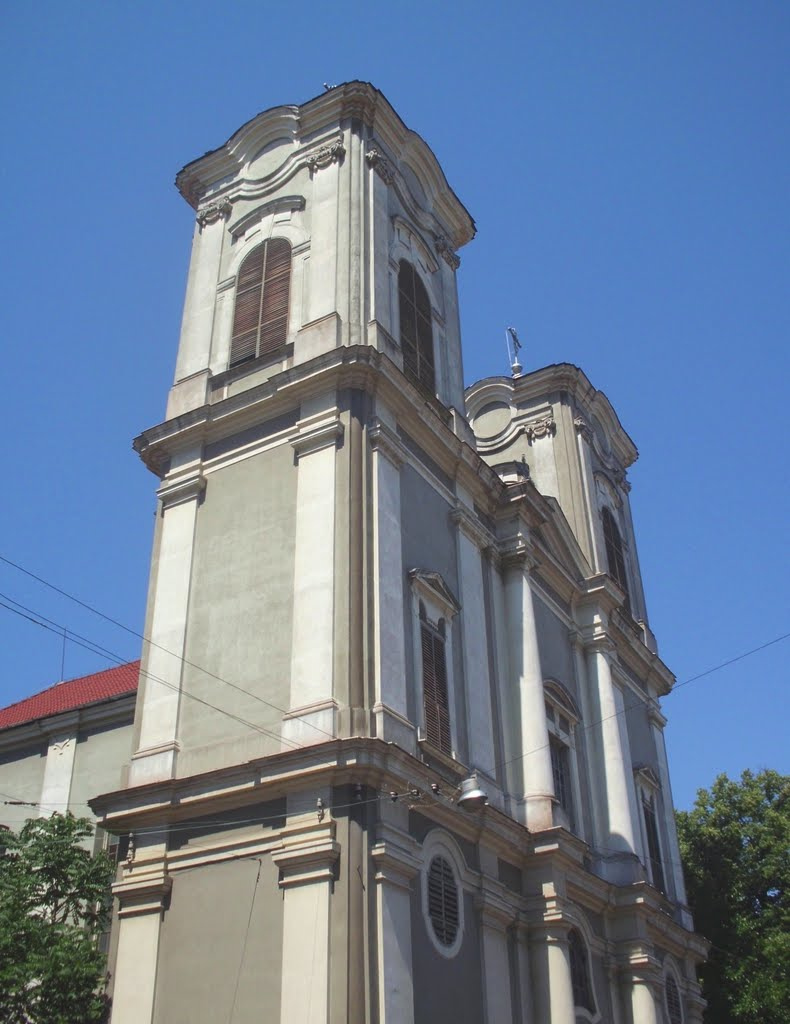
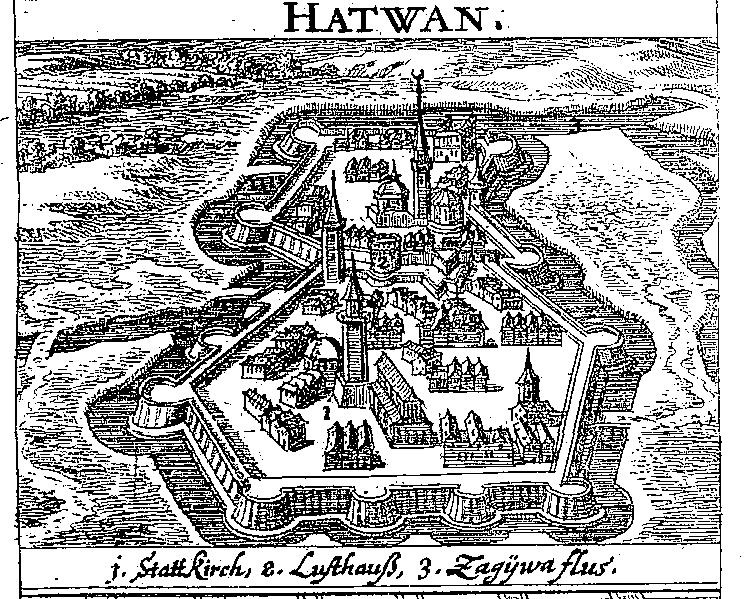
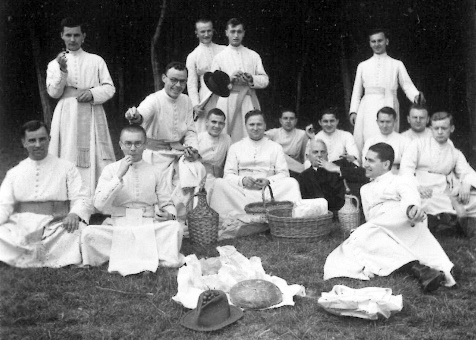
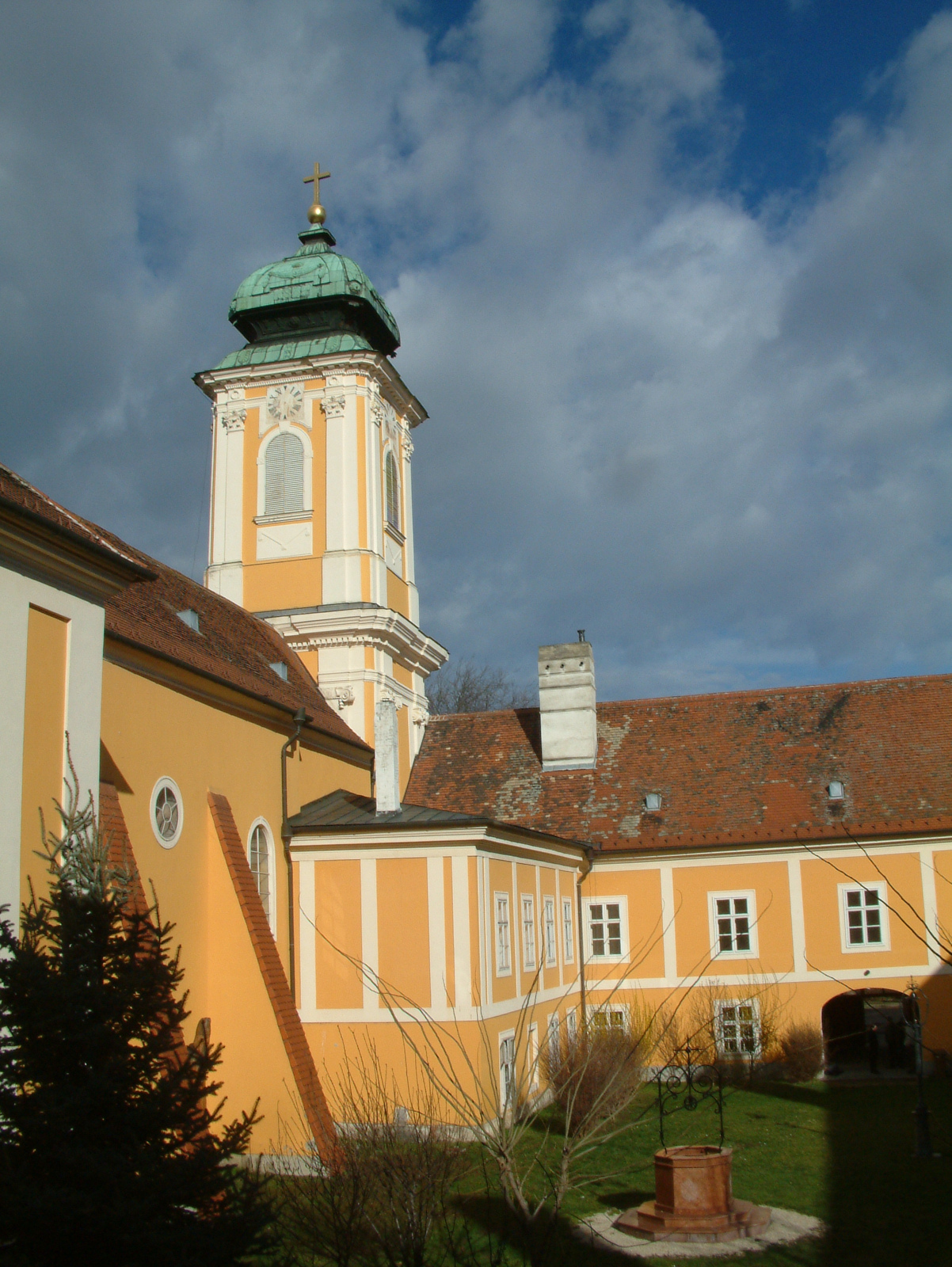
In the following years, the love for God and neighbor which permeated Prémontré blazed forth in the foundation of a multitude of daughter houses in Europe and beyond. Only decades later, in 1131, confreres from Prémontré set out for distant Hungary at the invitation of King Stephen II, where they founded the abbey of Magnovarad (modern-day Romania). The foundation of Hatvan followed in 1150, and Hatvan in its turn founded Csorna in 1180. Despite the ravages of history, including wars, suppressions, and other trials, Csorna grew and endured.
 |
  |
 |
Communist Crisis:
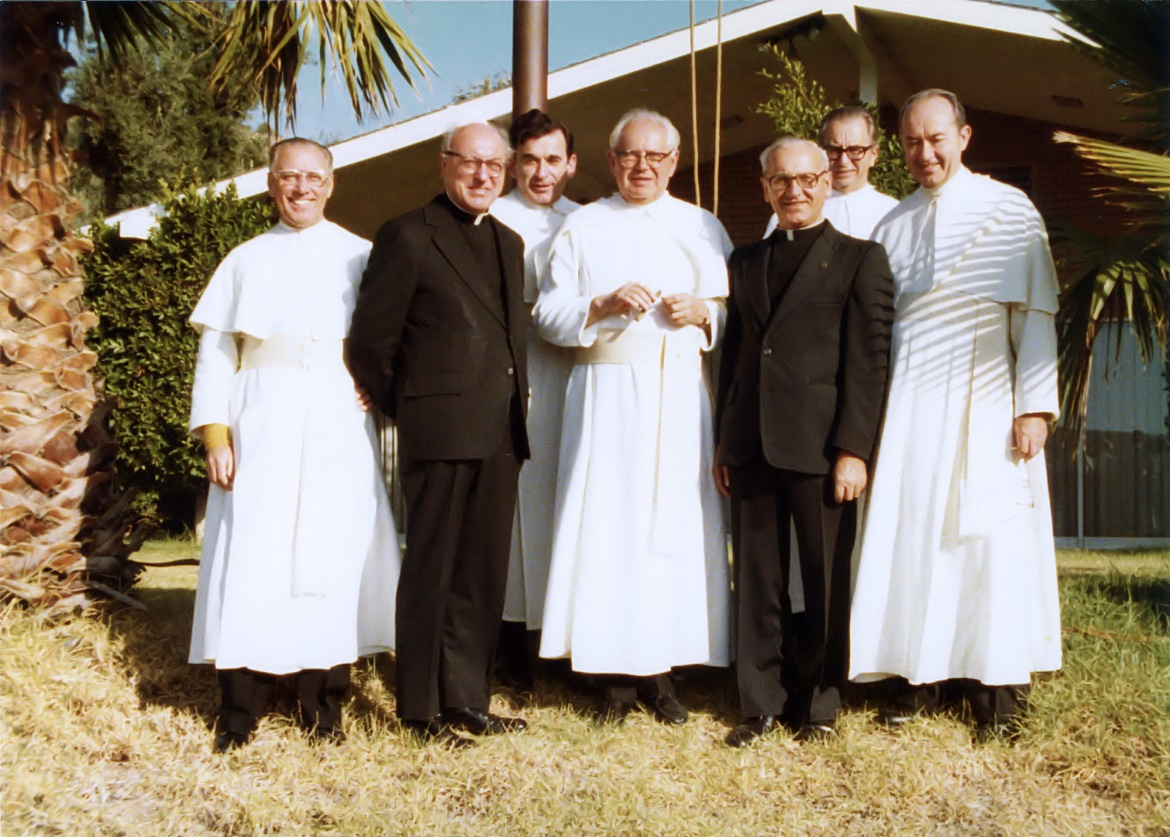
In 1950, Hungary was invaded by Soviet Communists, who proceeded to confiscate and suppress religious houses, arresting or disbanding the religious. News reached the Abbot of Csorna, Eugene Simonffy, that his monastery would not be spared. A few confreres asked permission to attempt an escape so as to preserve the Norbertine way of life in a free land, and Abbot Simonffy gave his blessing to this dangerous mission on July 11th, 1950. Under cover of night, a few courageous confreres left their abbey, split into two groups and made their way toward Austria. One group had to cross a field of land mines and ford a 60-foot-wide river, but by God's grace, all safely crossed the Austrian border. While Csorna was indeed soon suppressed and the canons dispersed, some of her sons had successfully escaped, hoping to preserve and propagate their religious and canonical life.
A New Abbey in America:
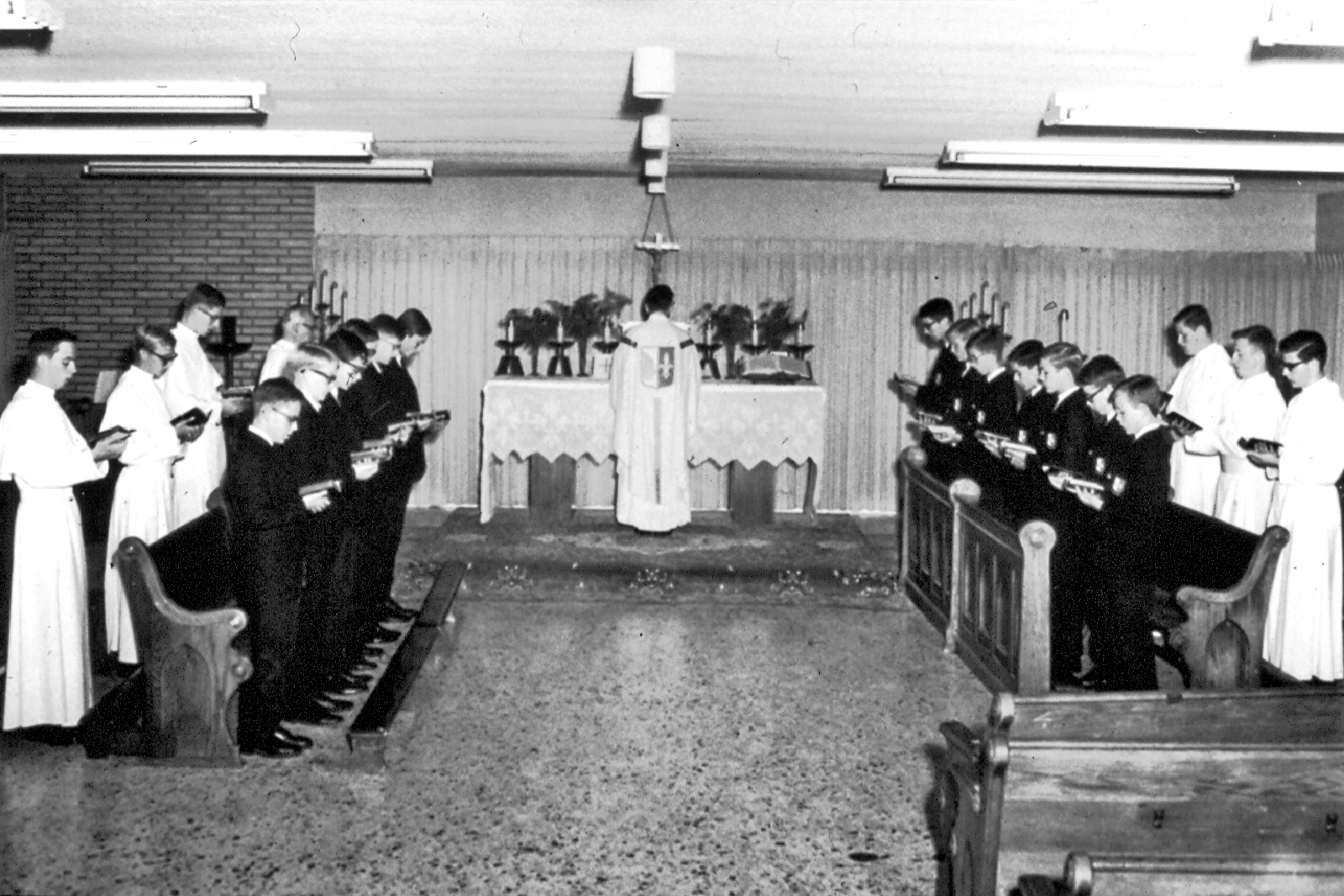
The confreres made their way to Rome, and then set sail for America. With the gracious assistance of American Norbertines in Daylesford, PA, and De Pere, WI, they settled in America, recommenced their teaching (the work they had done at Csorna), and eventually took up residence in California, where they worked to re-establish their community life. In 1961, the long-awaited day arrived: St. Michael's Priory was officially established. The Priory was raised to the status of an Abbey in 1984, and Fr. Ladislas Parker became its first Abbot.
 |
 |
A Foundation of Canonesses:
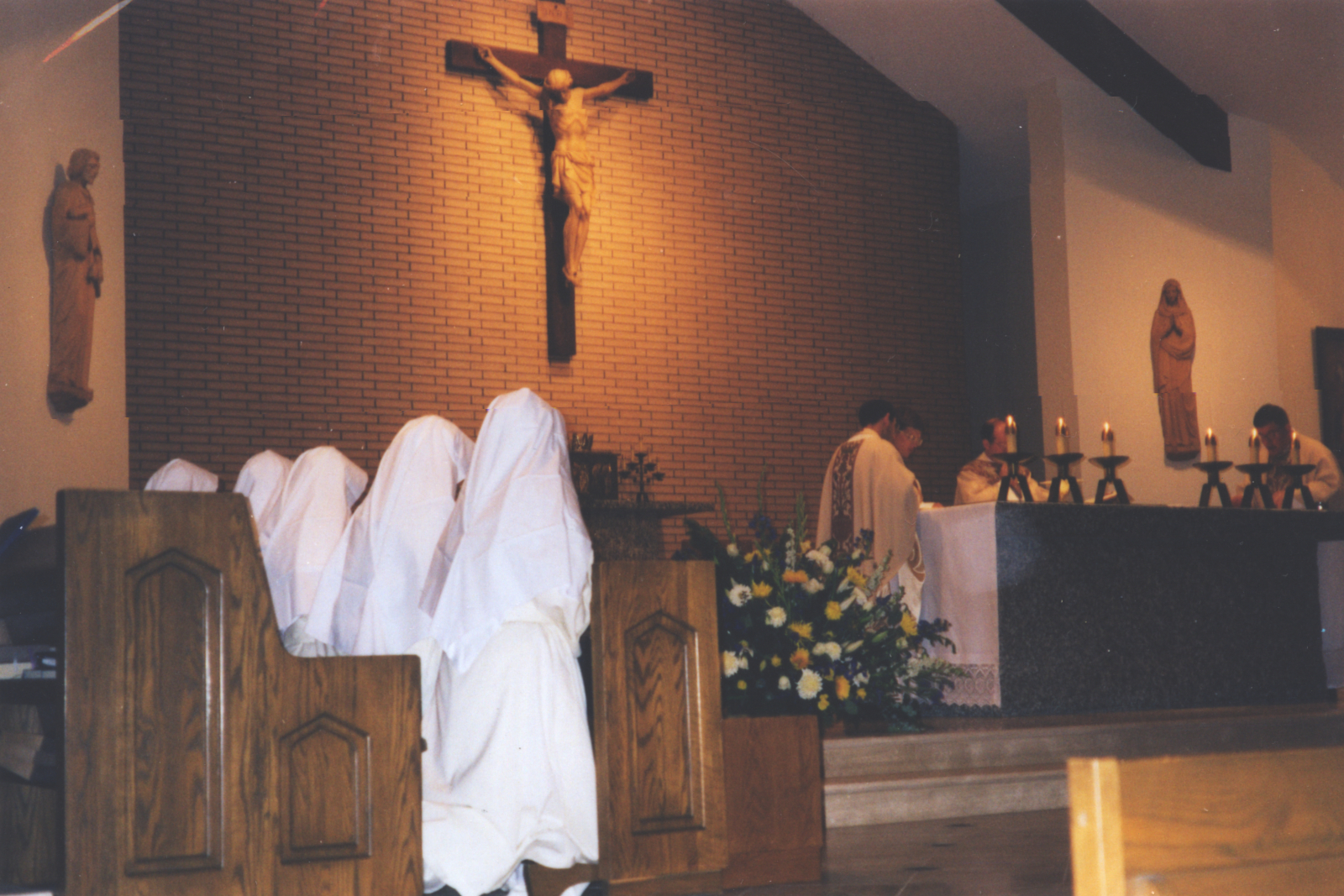
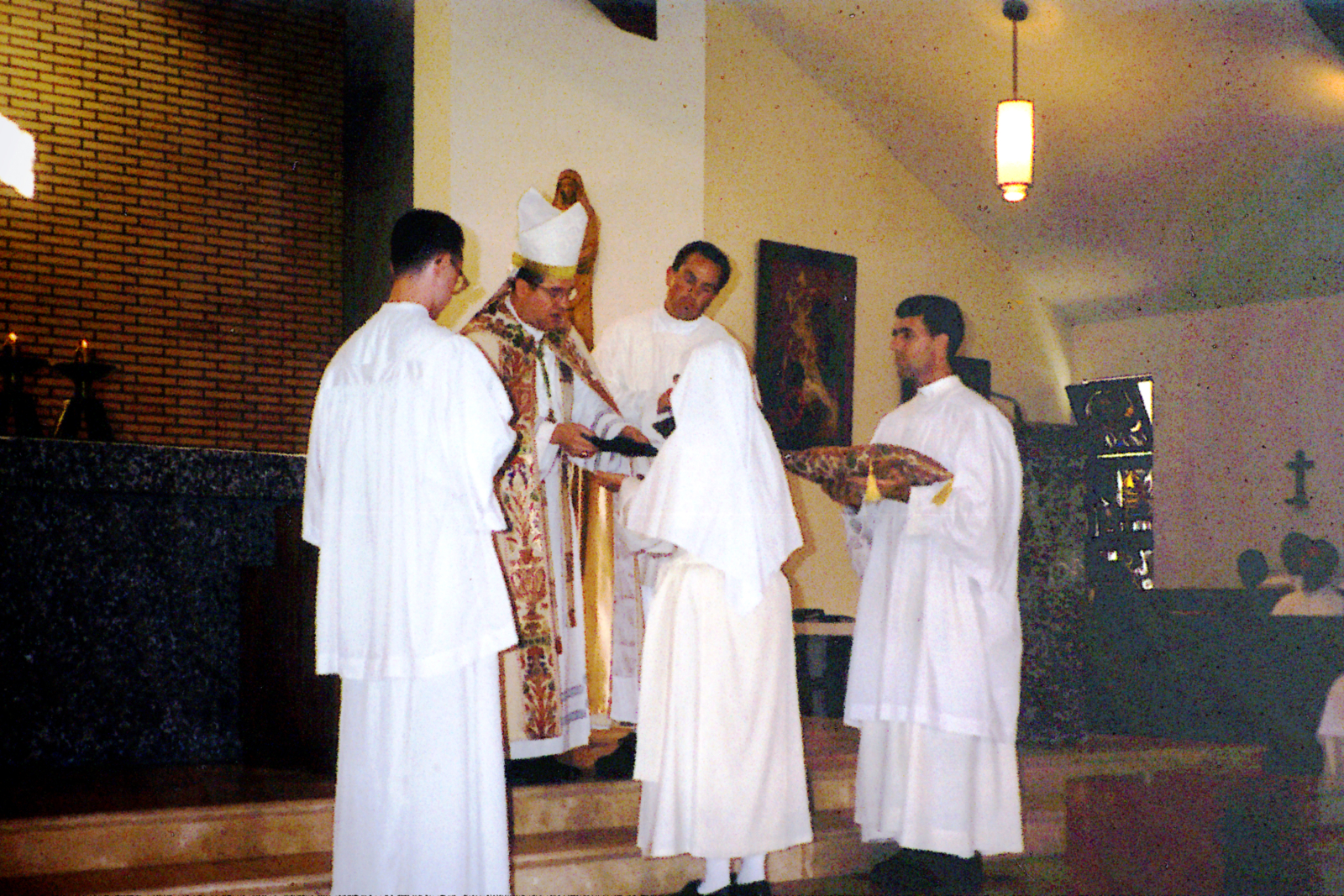
Like the early Norbertines, the fervor of the canons of St. Michael's Abbey drew many, who sought to imitate their life of prayer and conversion, and among them was Monique Petit. The Fathers had long desired to establishing something more – a foundation of canonesses – and eventually asked Monique if she would be willing to help found such a religious community. Four other women joined her, and the community was canonically erected as a Public Association of the Faithful on October 7, 1997, just one month after the five came together and established community life. Thanks to the generous support, priestly care and religious formation provided by Abbot Eugene Hayes (Abbot Parker's successor, elected in 1995) and the canons of St. Michael's Abbey, our first Sisters continued on their path of formation, and on the Solemnity of St. Norbert, June 6, 1998, they were vested in the white habit of our Order and received their religious names.
Early Formation:
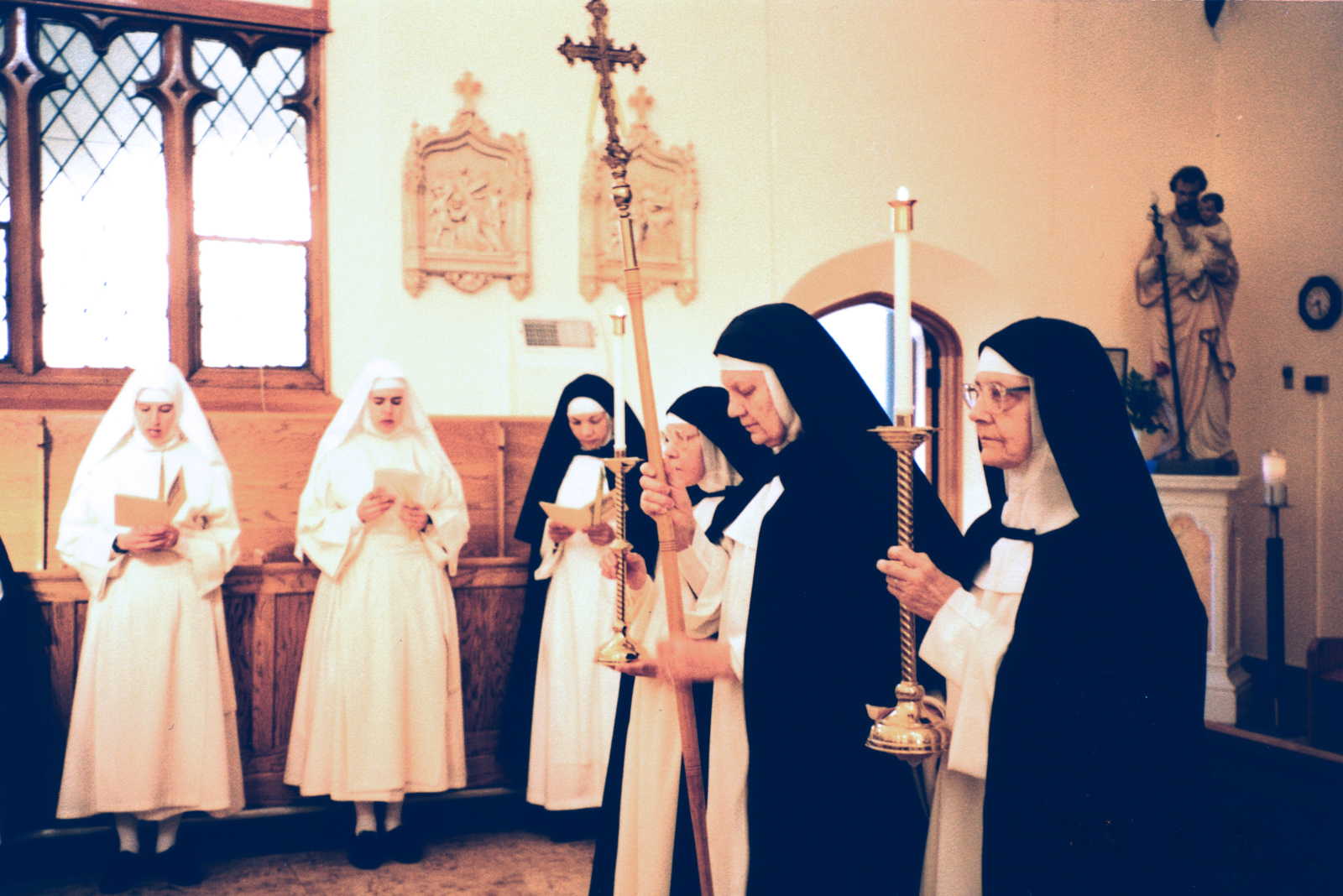
Monique, now Mother Mary Augustine, and the other newly vested novices then set off to make their year-long canonical novitiate with the Dominican nuns of the Monastery of Our Lady of the Rosary in Buffalo, NY. As they traveled to and from Buffalo, they visited many other established religious communities across the United States, learning much about the monastic life and means of support, and forming friendships and establishing relationships. They also traveled to Europe and visit many Norbertine communities houses there, immersing themselves in the Order's tradition and forming bonds. Upon returning to California, through the kindness of Rev. Enrique Sera, they resided for a time in the vacant parish convent of Immaculate Heart of Mary Church in Santa Ana as they prepared for a monastery of their own. Already during this interlude, two new postulants joined the community.
 |
 |
Permanent Home in Tehachapi:
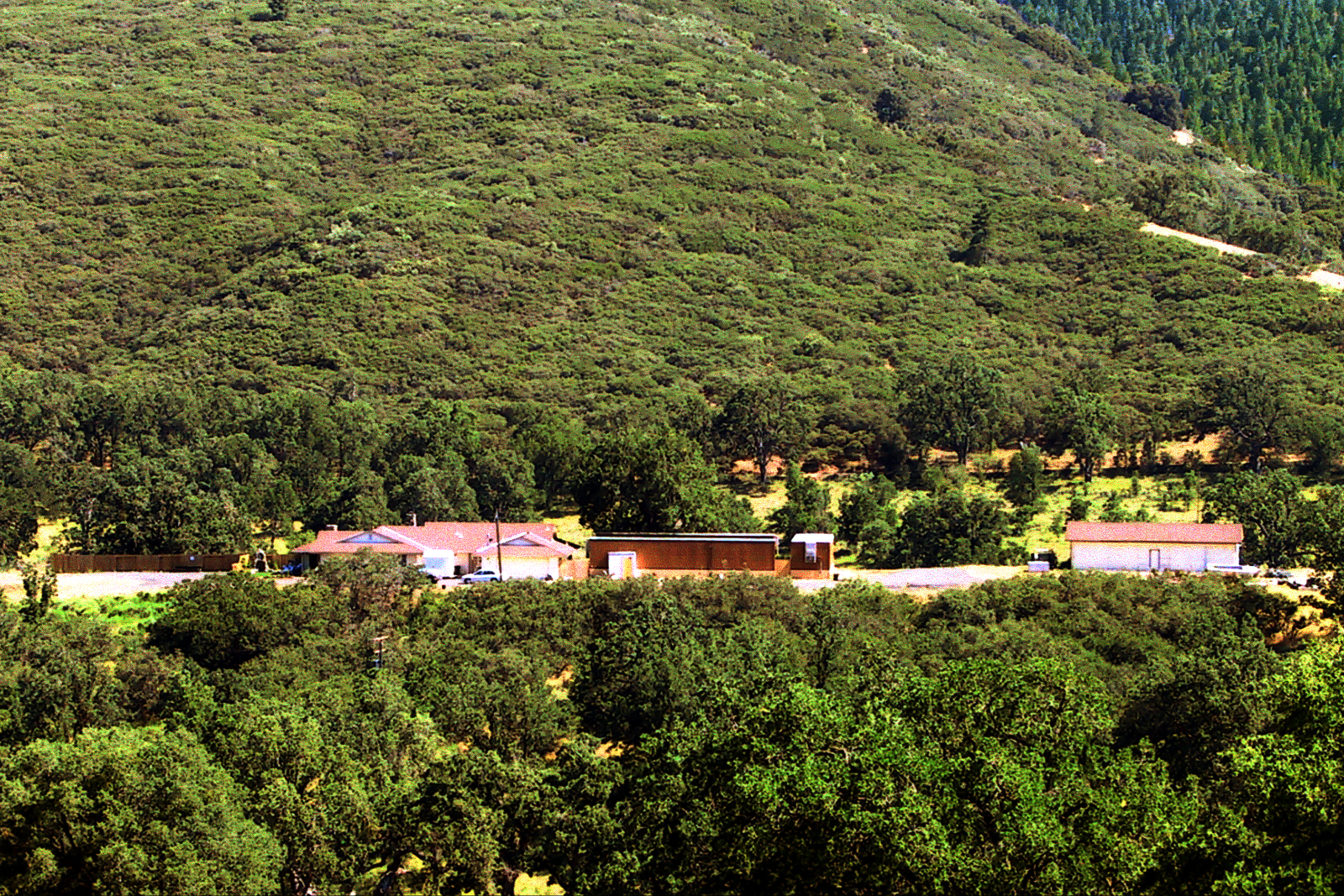
About this time, in 1999, God's providence led them to a property in the Diocese of Fresno nestled in a valley in the mountains outside of Tehachapi, much like the valley of Prémontré. And also like the valley of Prémontré, there was much work to be done to make it habitable. With the brotherly support, priestly care and, this time, the construction work of the confreres and other friends, the large game room of the 1960’s ranch house on the site was converted into a temporary chapel (which, now twice-expanded, we still use today); modular trailers were moved in to form a quadrangle “monastery”; and the other preexisting ranch buildings were repaired. Thus, it was made possible for our Sisters to live out our Norbertine canonical life of prayer in this new home, and the cloister was established.
Canonical Erection of Our Canonry:
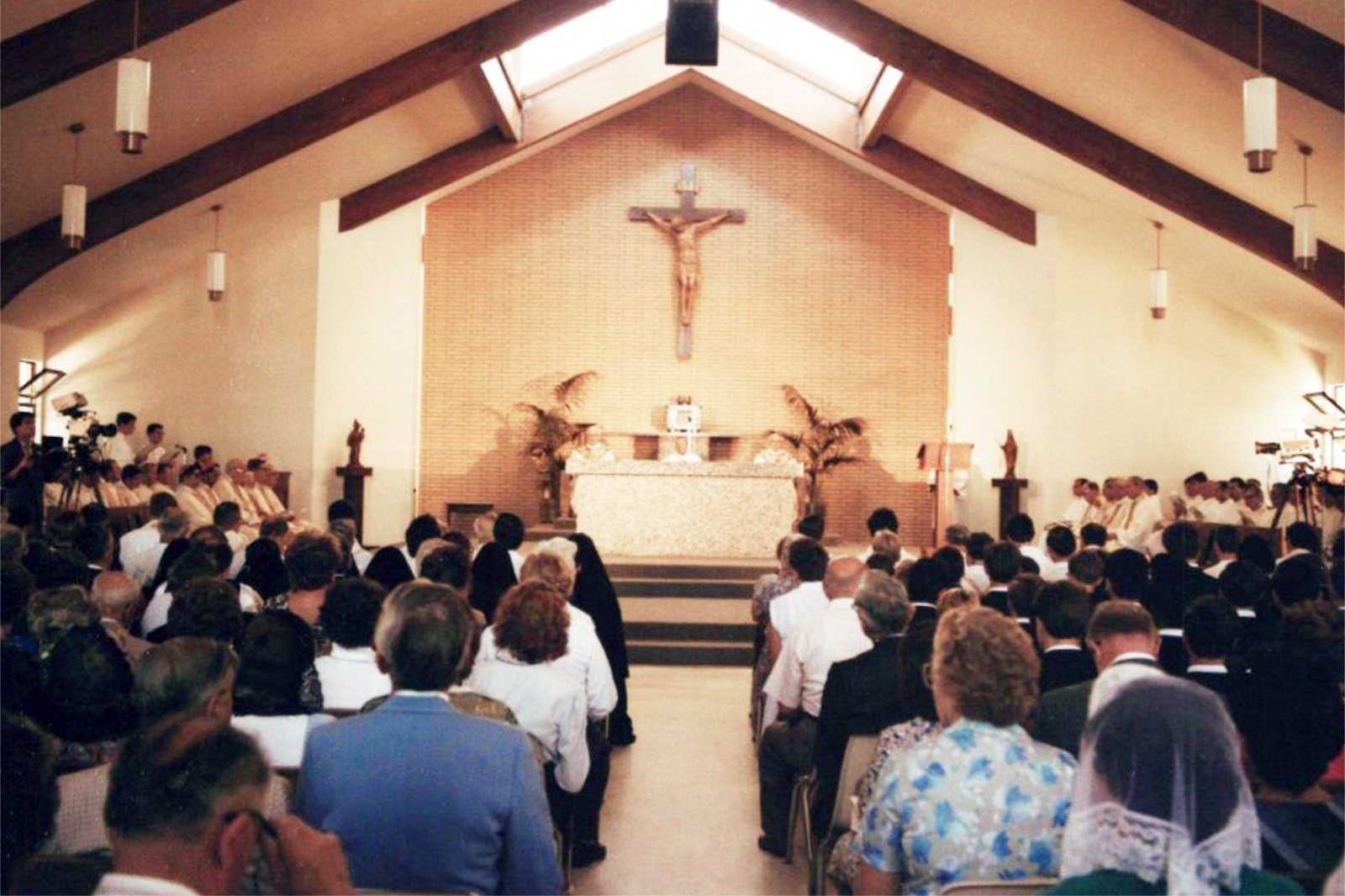
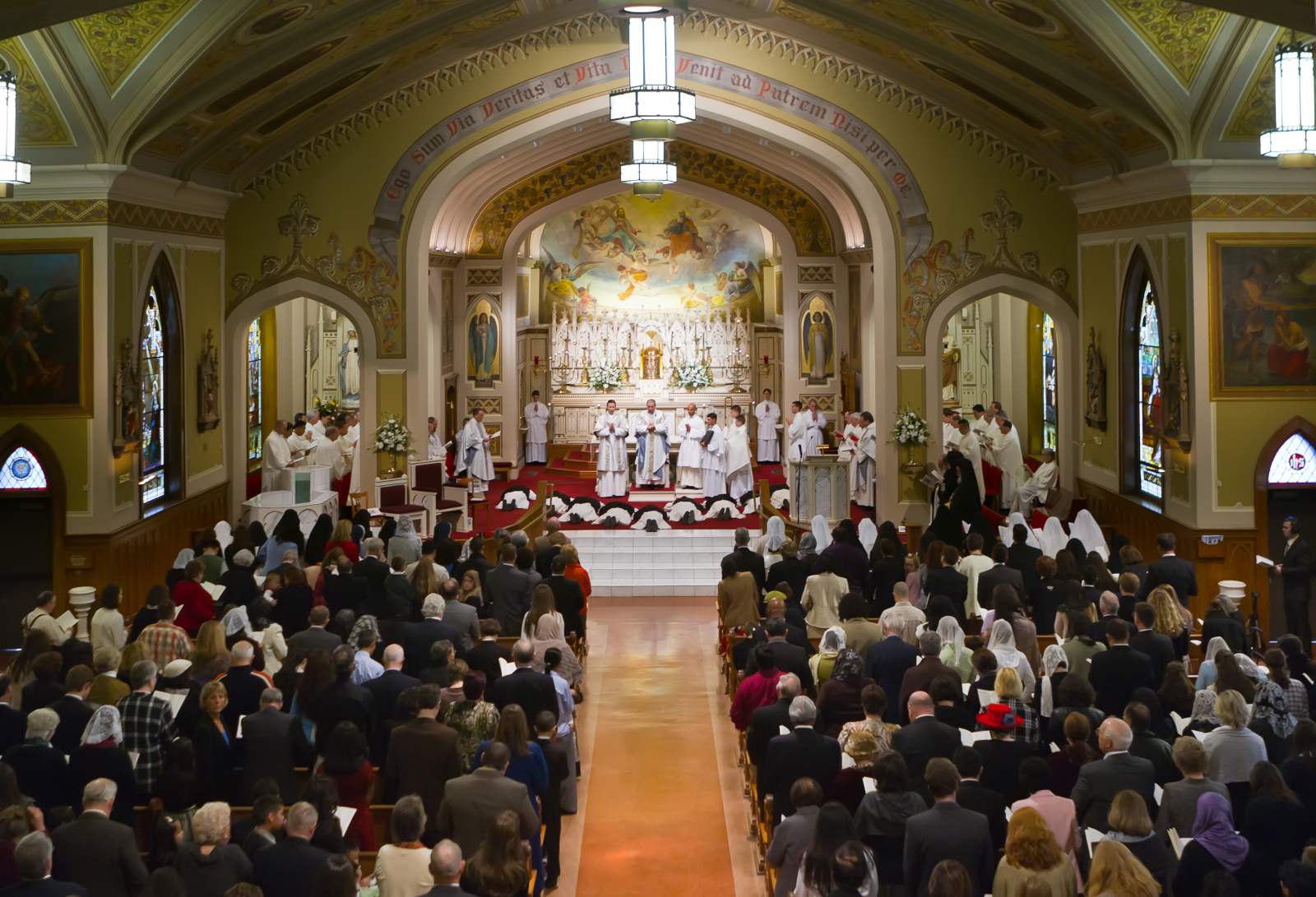
As our community continued to grow and strive to live out the Norbertine way of life, the number of Sisters gradually increased to twenty. With the support of St. Michael's Abbey and so many in the Order, the votum of Bishop John Steinbock, and the approval of the Holy See, our community would at last truly become a part of the Norbertine Order. On January 29th, 2011, in a very beautiful and solemn Holy Mass at St. John’s Cathedral in Fresno, our community was formally erected as an autonomous canonry of the Norbertine Order and our Norbertine Abbot General, Thomas Handgrätinger, received the solemn vows of nine canonesses in the presence of our Pater Abbas Abbot Eugene Hayes, other Norbertine Abbots and confreres from around the world, as well as many family members and friends.
Construction of a Monastery:
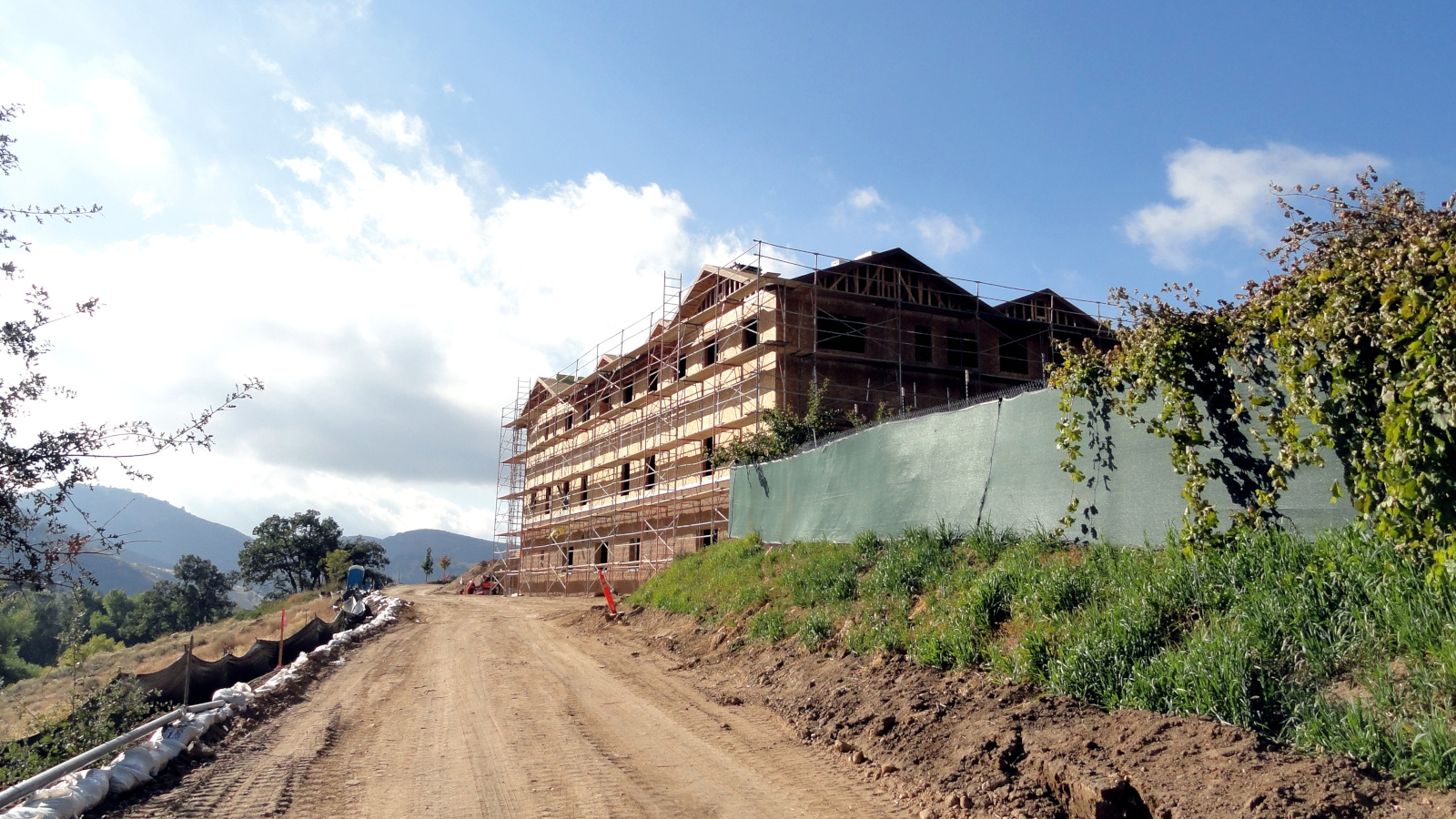
By God's grace and mercy, our community continued to receive more vocations, and the need for monastic living space became all the more pressing. The tiny chapel was expanded once, then a second time to fit more Sisters; and the dormitory trailers, now crowded, were also deteriorating and leaking. It was therefore with much gratitude that construction of our first permanent convent building began in 2012 and was completed the following year. Now, thirteen years later and over forty Sisters strong, space is now once again becoming tight. We are currently preparing for the next phase in the construction of our monastery, scheduled to begin in 2026. This much-need monastery building will be followed by the construction of a permanent monastery church, the center of our monastery and the heart of our Norbertine canonical life.
His Mercy Endures Forever:
During these past nine hundred years and more, now into our own day, we are again and again humbled and awed by the mercy of God, Who so lovingly calls sinners to Himself and continues to ignite the fire of divine love in the hearts of St. Norbert's new sons and daughters in our times. Called to communion with Him, and in Him also to communion with one another, in our own community and with the larger community of our Order, we strive to become daily ever more "one heart and one mind seeking God."
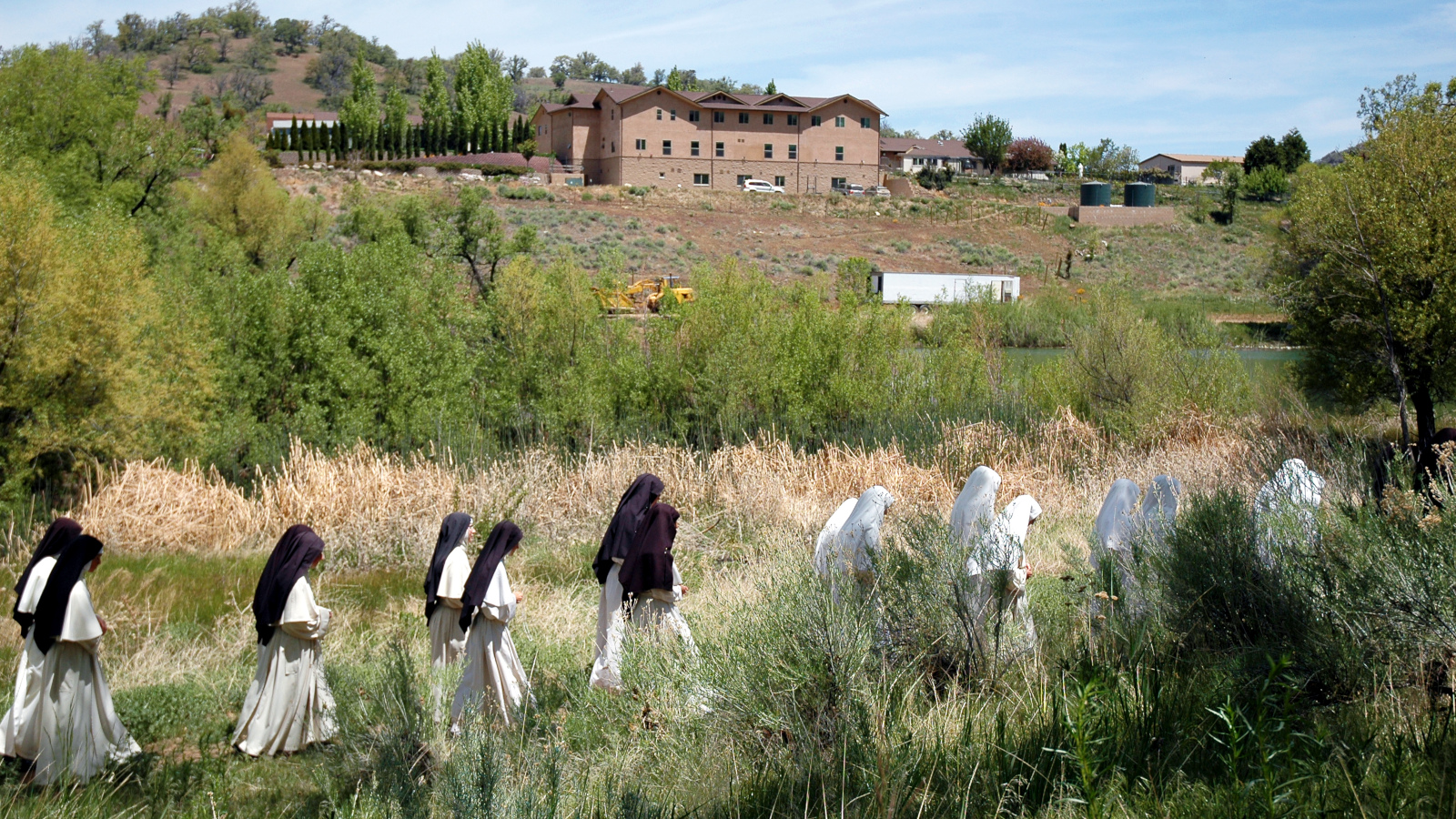
While the world has seen tremendous changes, upheavals and turmoil in these past 900 years, the evangelical and apostolic way of life that so inflamed St. Norbert lives on. The ancient Psalms are sung day by day, the Church's hymns continue crying out to Heaven, conversion of heart is still sought, and penance offered. Jesus Christ remains the same, yesterday, today and forever. Weak though we are, He calls us, and we respond, trusting in His grace, and continue striving to love God above all things and our neighbors for His sake. Under the patronage of Our Lady and St. Joseph and following St. Norbert's example, we can remain firm in faith, for the mercy of God endures forever.